
Retreat Themes
System of Practice
In Sangharakshita’s seminal 1978 lecture “A System of Meditation” he showed how the meditations he had taught linked up into “an organic system, a living system, not a dead, mechanical system put together in an artificial manner”.
Sangharakshita explained how the mindfulness of breathing, the metta bhavana, the contemplation of the six elements, visualization and mantra recitation, as well as just sitting formed this living and organic system. It is “a progressive arrangement that takes us forward, step by step and stage by stage: a cumulative sequence”.
Beginning with a firm foundation in integration and positive emotion that supports a profound spiritual death and rebirth: a total transformation, including both activity and receptivity.
This retreat offers the opportunity to deepen your understanding and experience of Sangharakshita’s system of Dharma life, it will also include the added inspiration of ordination ceremonies.

Mythic Context
Going for Refuge requires the activation of our strongest and deepest emotions. If we are to make any real progress in transforming ourselves, we must transform our emotional life.
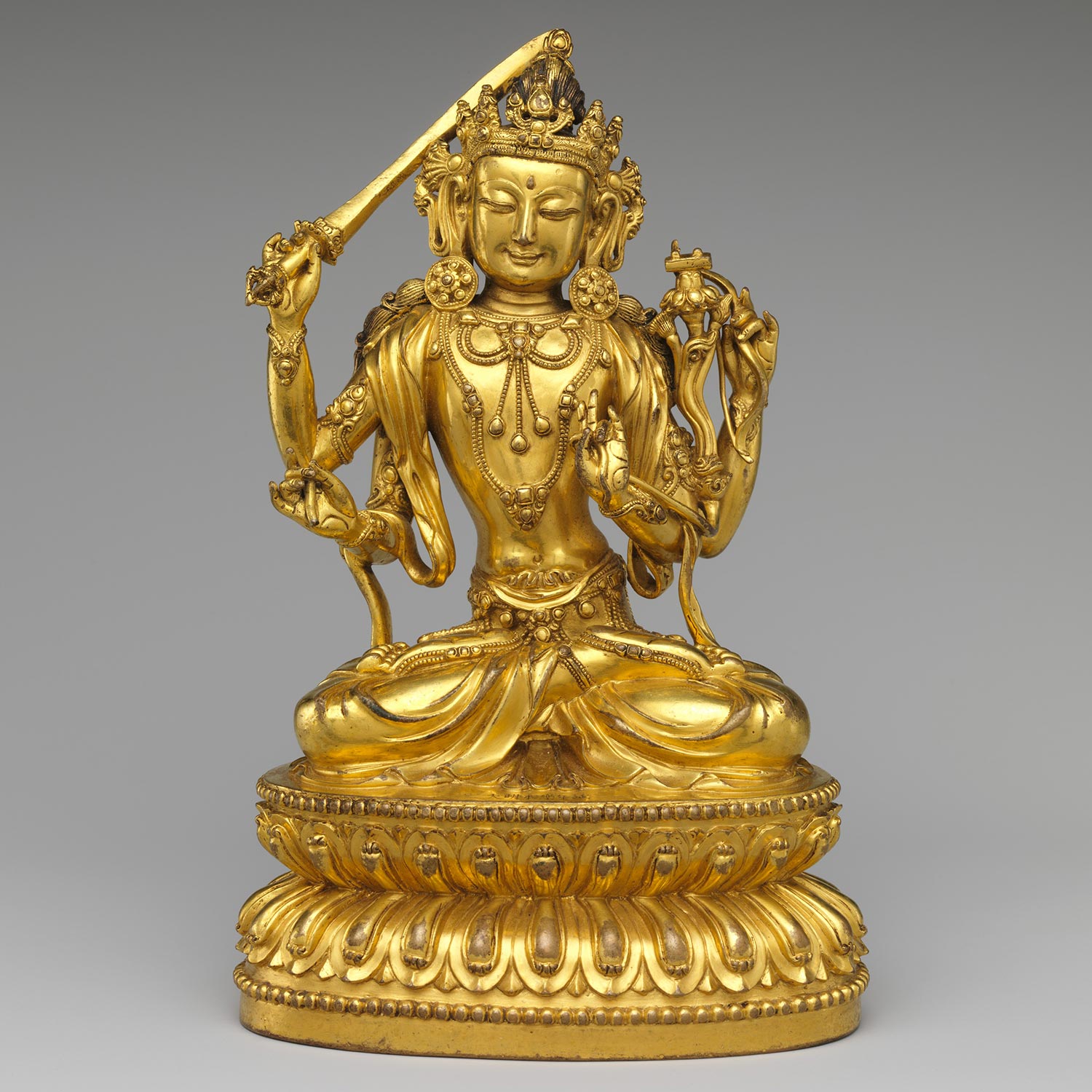
We need to activate faith and imagination, opening ourselves fully to ‘the mythic context’ of our lives, with its symbols, images, colours, and stories. In many ways, the Mythic Context makes sense of all the other ordination training retreats.
The central practices of the retreat are the Going for Refuge and Prostration Practice and doing nothing in particular. We recommend you attend this retreat later in your training.
Ten Pillars (Living Ethically)
The ten Dharmachari precepts are what an Order member lives by; they are what Bhante has called ‘the Mula Pratimoksha’ – the basic ethical code. Each of the precepts is so precious that they can be likened to ten pillars made of precious substances – diamond, gold, crystal, pearl, etc. – which provide the essential foundation for the cultivation of higher states of consciousness and the development of transcendental insight. There is no spiritual life without them.
On this retreat, we will study and practise these ‘ten pillars’ of Buddhism and life in the Order, reflecting on and discussing them in the context of our own spiritual lives.
In particular, we will be studying Bhante’s book The Ten Pillars of Buddhism.

Transcendental Principle
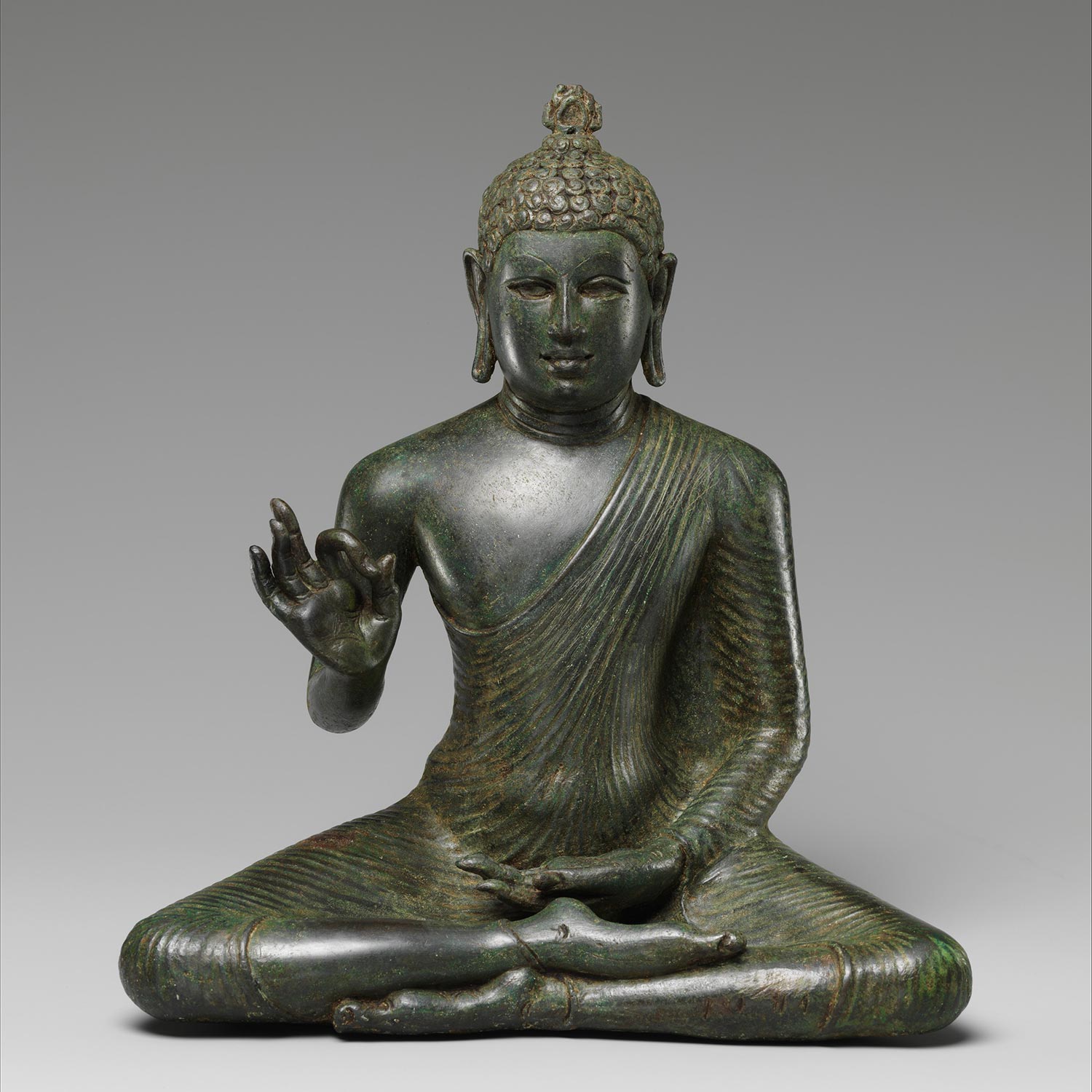
An intensive study of the first chapter of Sangharakshita’s magnum opus, A Survey of Buddhism, is a fundamental part of preparing to join the Order. The purpose of the study is to deepen one’s practical understanding of the Dharma – the basic doctrines and teachings of the Buddha, such as conditioned co-production, the three marks of conditioned existence, the four noble truths and the noble eightfold path.
According to Subhuti in the foreword to the most recent edition (published as part of the Complete Works of Sangharakshita), this study ‘usually has considerable impact since it introduces trainees so clearly and inspiringly to the transcendent dimension of the Dharma.’
We recommend that you attend this retreat later in your ordination training, having closely studied the Survey, individually or collectively, in your local context.
What is the Order (Vision of the Order)
The Triratna Buddhist Order is a specific spiritual community with a particular set of principles and practices. Bhante puts this more succinctly: It is a community of my disciples.
In this retreat we explore what those principles and practices are, and what it is that makes them distinct within the context of Buddhist tradition. But, as Bhante once said of the Order, ‘there is a touch of something that cannot be buttoned down, something that cannot in the end be defined’.
In addition to exploring the principles and practices of the Order, we’ll also be tuning in to this rather mysterious, indefinable spirit that gives the Order its life and energy.
Bodhisattva Path / Bodhisattva Ideal
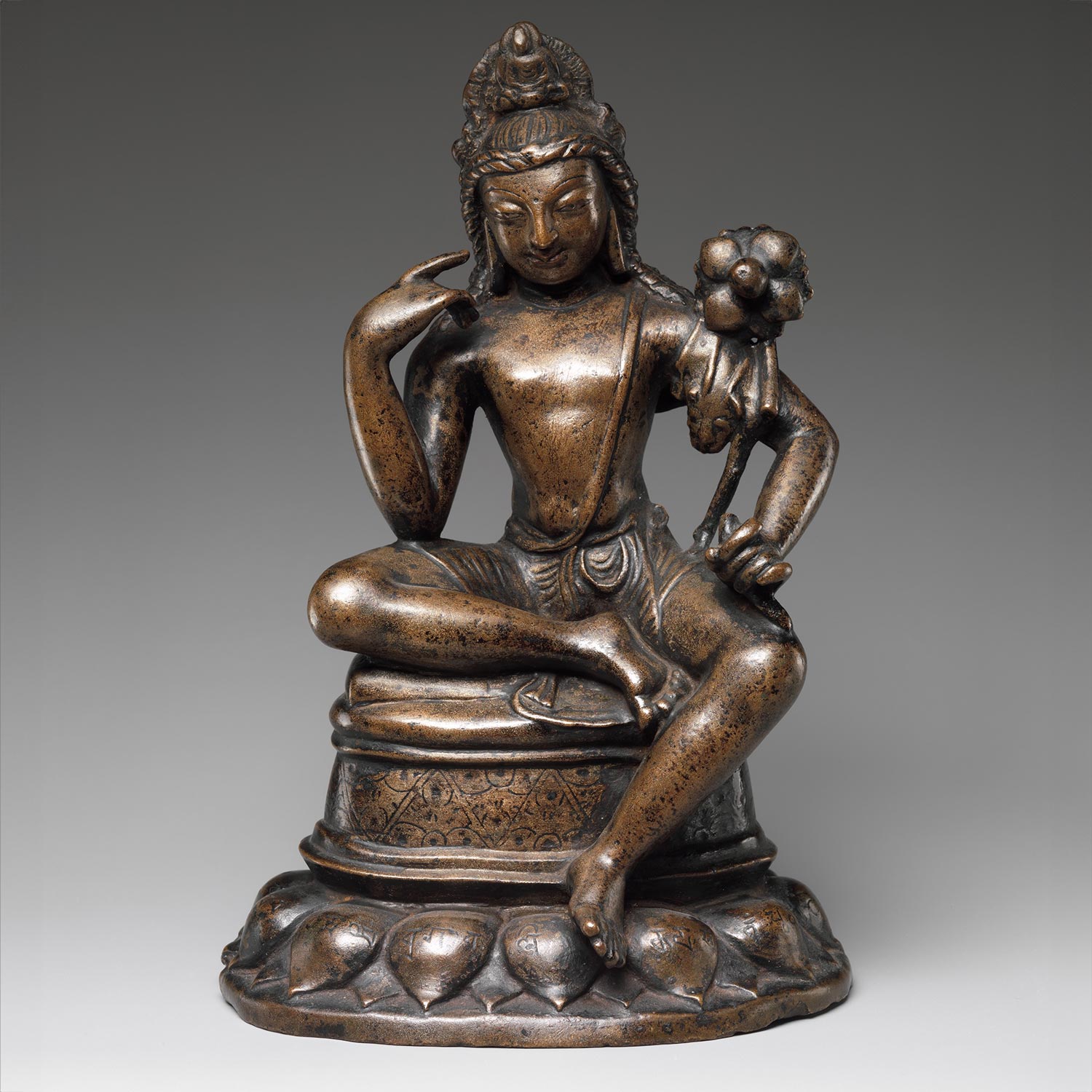
In the Bodhisattva, Buddhism finds its highest expression and its ultimate meaning. The Bodhisattva is indeed the meaning of human life, even the meaning of existence.
Sangharakshita – The Bodhisattva Principle
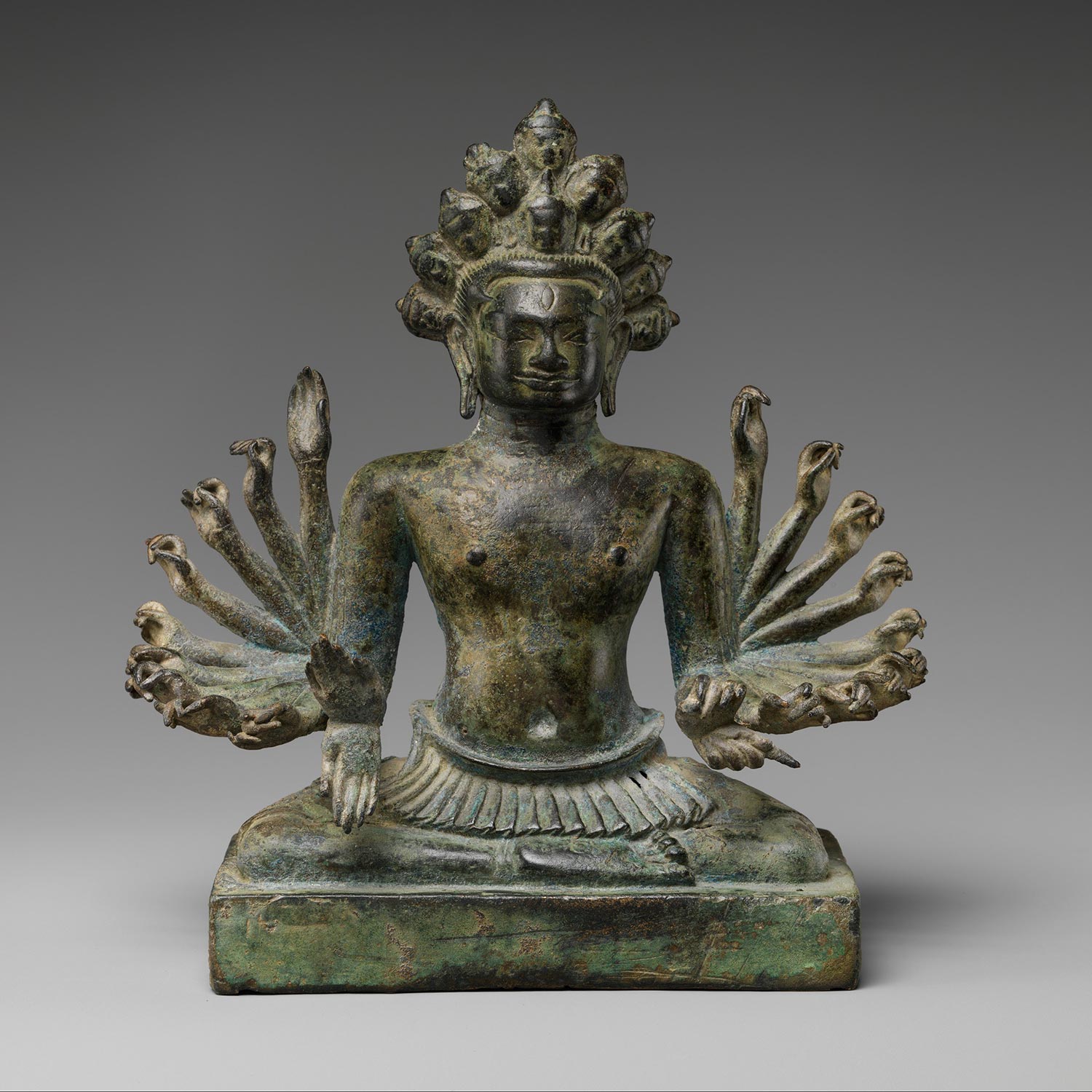
Sangharakshita has likened the Triratna Buddhist Order to, and even identified it with, the eleven-headed and thousand-armed Avalokiteshvara, the Bodhisattva of compassion. He says of that identification that it is ‘Not just a manner of speaking, it’s not just a figure of speech. We should take it very seriously, even take it literally.’
This retreat will explore the Bodhisattva Ideal and how it can be ever more fully and deeply lived out in our Order and community.
Going for Refuge
Going for Refuge to the Buddha, Dharma and Sangha is ‘the central and definitive act of the Buddhist life’ and ‘the unifying principle, therefore, of Buddhism itself’. The ordination process involves a progressive deepening of Going for Refuge until it becomes effective in all aspects of our lives.
The ceremony of ordination involves the witnessing, by senior Order members, of this effective Going for Refuge. We will explore how we can make the Three Jewels ever more central to our lives.

Spiritual Friendship
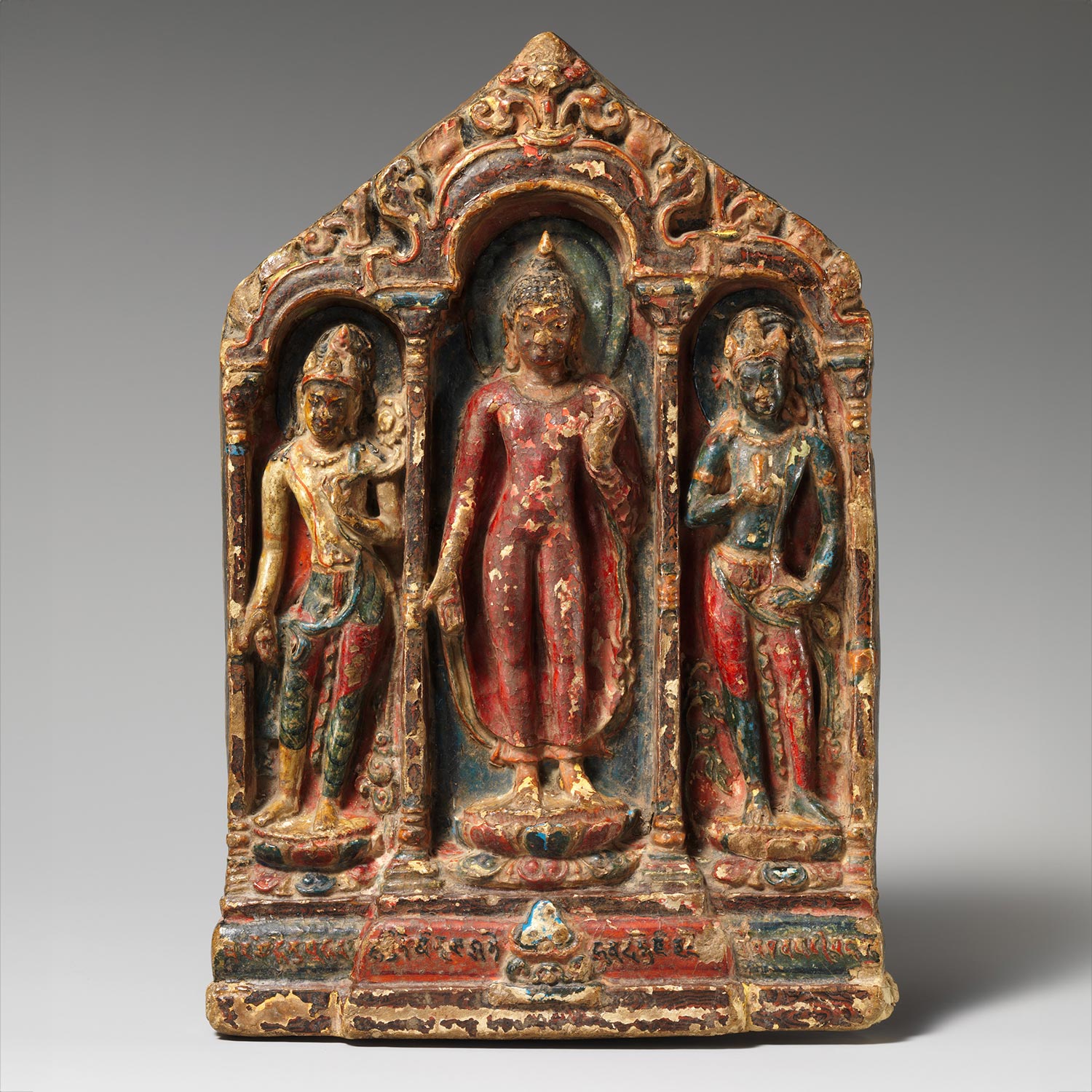
The Buddha described spiritual friendship (kalyana mitrata) as ‘the whole of the spiritual life’.
It is with this vision in mind that Bhante founded the Triratna Buddhist Order as a network of spiritual friendship. At the time of ordination, one decisively commits to helping to create and actively participate in this network of spiritual friendship. It is therefore vital that we study and reflect on this great theme so that we can truly understand its significance.
On this retreat, as well as studying Bhante’s teaching on spiritual friendship, we will explore and discuss the impact it has had on our own lives.
Retreat Preparation
“Essential Sangharakshita” on the section on “Friends and Teachers”, pp 485 – 557. We will be exploring this in study groups.